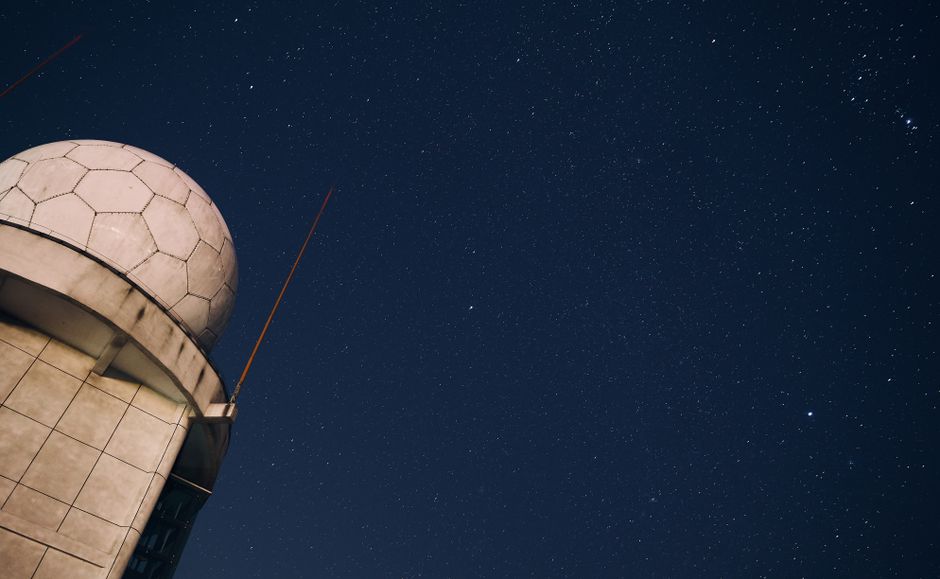
Preserving Historical Observatories: Challenges and Successes
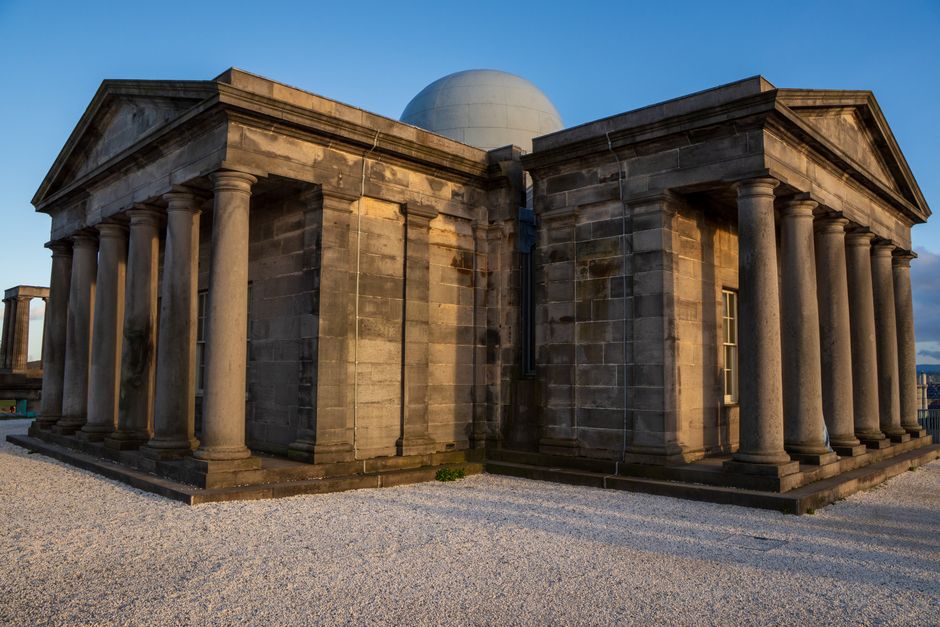
Historical observatories stand as enduring symbols of humanity’s quest to understand the cosmos. These structures, often centuries old, embody scientific heritage and architectural ingenuity. In the United Kingdom, sites such as Greenwich Observatories hold a special place in the history of astronomy and navigation. Their preservation is a complex endeavour that balances conservation, education, and public access.
The process of maintaining these institutions involves a range of activities, from structural repairs to archival care. It requires collaboration among heritage professionals, scientists, and local communities. This article explores the challenges and successes associated with preserving historical observatories, highlighting methods and approaches that contribute to their longevity.
By examining the case of Greenwich Observatories and similar sites, we can appreciate the multifaceted nature of preservation work. It is a field where tradition meets innovation, and where careful planning ensures that future generations can continue to learn from these iconic places.
Understanding the Significance of Historical Observatories
Historical observatories are more than just buildings; they are repositories of scientific knowledge and cultural memory. They often house rare instruments, manuscripts, and photographic plates that document centuries of astronomical observations. In the UK, observatories like those at Greenwich have played pivotal roles in the development of navigation and timekeeping. Their preservation is not merely about maintaining physical structures but also about safeguarding the intangible heritage of scientific practice.
The significance of these sites extends to their architectural value. Many were designed by renowned architects and feature distinctive domes, meridian lines, and precision-engineered mounts. These elements reflect the technological and aesthetic aspirations of their time. Preserving them requires a deep understanding of both historical construction techniques and modern conservation standards.
Furthermore, historical observatories serve as educational resources. They inspire curiosity about astronomy and science among visitors of all ages. By maintaining these sites, we ensure that their stories continue to be told and that the legacy of discovery endures. The challenge lies in balancing preservation with accessibility, so that the public can engage with these treasures without compromising their integrity.
Key Challenges in Preservation Efforts
Preserving historical observatories presents numerous challenges. One major issue is the deterioration of materials over time. Original stonework, metal domes, and wooden fixtures are susceptible to weathering, pollution, and biological growth. In the UK’s damp climate, moisture infiltration can lead to rot and corrosion, necessitating constant vigilance and timely interventions.
Another challenge is the need to adapt these structures for contemporary use while respecting their historical character. Many observatories were built for a specific scientific purpose that may no longer be relevant. Repurposing them as museums, education centres, or research facilities requires careful planning to avoid irreversible alterations. Conservation principles dictate that any changes should be reversible and minimally invasive.
Funding is a persistent hurdle. Restoration projects can be costly, and securing financial support from government bodies, private donors, or charitable trusts is often competitive. Additionally, ongoing maintenance demands a steady stream of resources, which can be difficult to sustain over the long term. Volunteers and community groups often play a vital role, but their efforts need professional coordination.
Finally, there is the challenge of documentation and knowledge transfer. Many historical observatories have extensive archives that are at risk of being lost or forgotten. Digitisation projects help, but they require expertise and equipment. Ensuring that this knowledge remains accessible to researchers and the public is an ongoing task.
Restoration Techniques and Methodologies
Restoration of historical observatories employs a range of techniques tailored to the specific needs of each site. Conservation professionals begin with thorough assessments, using non-destructive testing to evaluate the condition of materials. This might include thermal imaging, moisture meters, and structural surveys. The findings inform a detailed conservation plan that prioritises interventions.
When repairing stonework, masons often use lime-based mortars that match the original composition, allowing the structure to breathe and move naturally. Metal components, such as dome shutters and gears, may be cleaned and treated with protective coatings to inhibit corrosion. In some cases, missing parts are recreated using traditional craftsmanship, ensuring visual and functional authenticity.
Interior restoration focuses on preserving original finishes, fixtures, and furnishings. Where possible, original materials are retained and stabilised rather than replaced. Climate control systems may be installed discreetly to protect sensitive instruments and documents from fluctuations in temperature and humidity. Lighting is also carefully designed to reduce damage from ultraviolet radiation.
Interpretation is another key aspect. Restorers work with curators to develop exhibits that explain the observatory’s history and scientific contributions. This might involve restoring telescopes to working order for demonstration purposes, or creating digital interactives that simulate historical observations. The goal is to make the site engaging without compromising its authenticity.
Case Study: Greenwich Observatories
Greenwich Observatories, located in south-east London, is a prime example of successful preservation. As a UNESCO World Heritage Site, it encompasses the Royal Observatory, the Prime Meridian, and associated buildings. Its restoration has been ongoing for decades, with significant projects undertaken by organisations such as the Greenwich Observatories in partnership with heritage bodies.
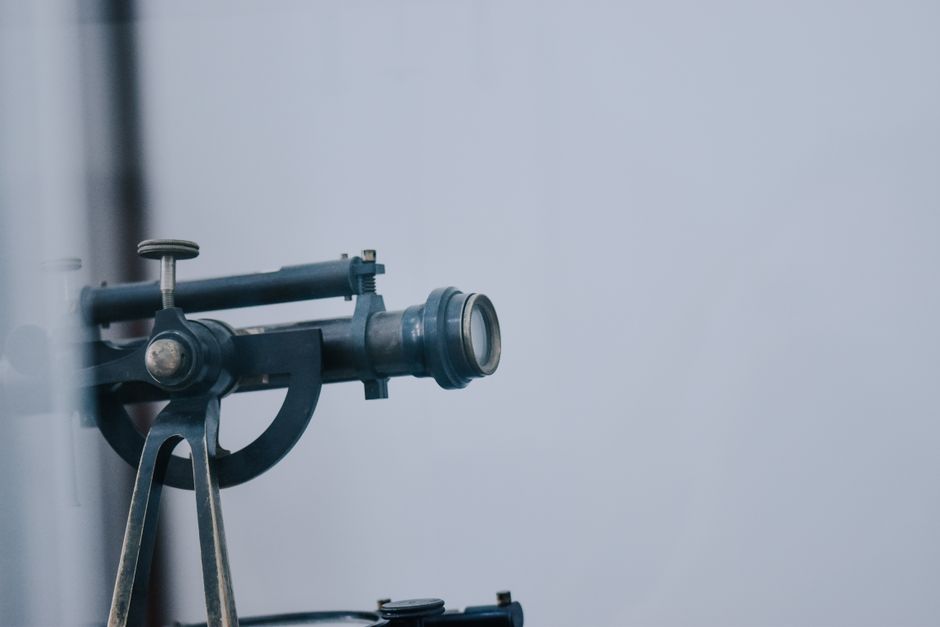
One notable success is the restoration of the Great Equatorial Telescope, a 19th-century instrument that remains a centrepiece of the site. Conservation work involved cleaning and realigning the optics, as well as repairing the dome’s rotation mechanism. Today, it is used for public observing sessions, demonstrating how historical equipment can be brought back to life.
Another achievement is the restoration of the Octagon Room, designed by Christopher Wren. This baroque space, originally used for astronomical observations, has been carefully returned to its former glory. The project involved repairing plasterwork, restoring windows, and reinstalling period lighting. It now serves as a venue for exhibitions and events.
Greenwich Observatories also illustrates the importance of partnership. Collaboration between government agencies, charitable trusts, and volunteers has enabled continuous care. Educational programmes and visitor centres have been developed to share the site’s history, ensuring that its legacy reaches a wide audience. The success at Greenwich offers lessons for other historical observatories around the UK and beyond.
Future Directions and Sustainable Preservation
The future of historical observatory preservation lies in sustainable practices and innovative technologies. Climate change poses new threats, with increased storm frequency and temperature extremes affecting building fabric. Conservation strategies must adapt to these changing conditions, incorporating resilience into restoration plans.
Digital tools are becoming indispensable. 3D scanning and photogrammetry allow for precise documentation and monitoring of structural changes over time. Virtual tours and augmented reality can provide access to areas that are otherwise restricted, broadening engagement while reducing physical wear. These technologies also aid in fundraising by creating compelling narratives for potential supporters.
Community involvement remains crucial. Local groups can adopt observatories, organising events and advocating for their protection. Educational initiatives that involve schools and universities help foster a new generation of stewards. By embedding these sites within their communities, preservation becomes a shared responsibility.
Finally, international cooperation can facilitate knowledge exchange. Observatories around the world face similar challenges, and sharing best practices can lead to more effective solutions. Greenwich Observatories, with its global significance, is well positioned to lead such efforts, ensuring that the legacy of historical observatories continues to inspire for centuries to come.