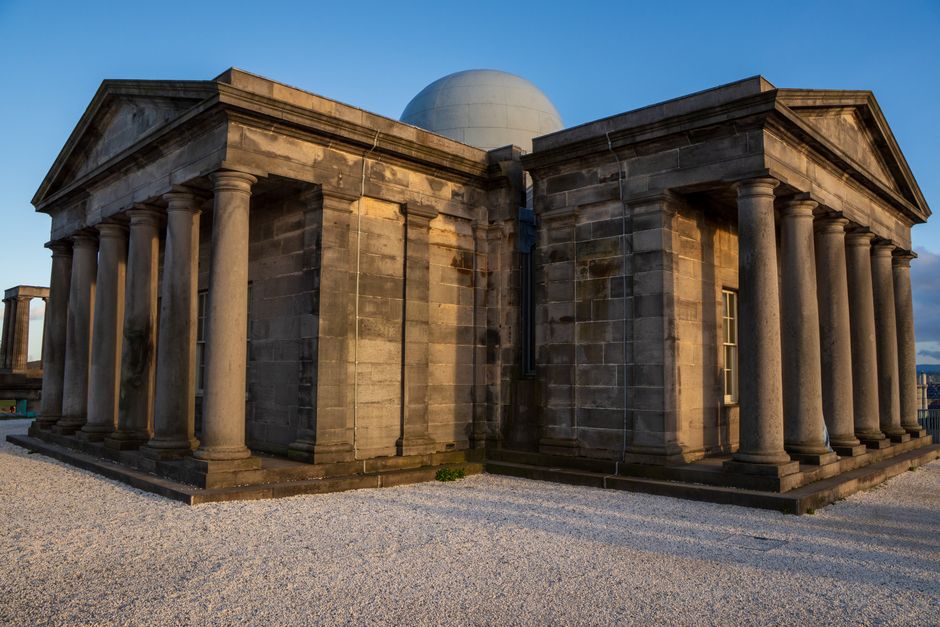
Designing the Perfect Observatory Dome: Engineering Challenges
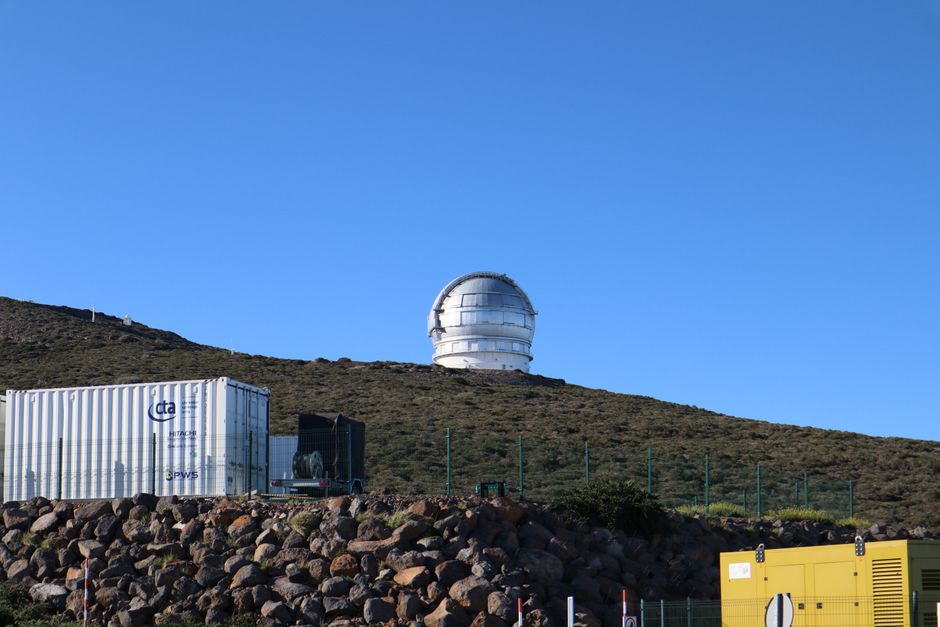
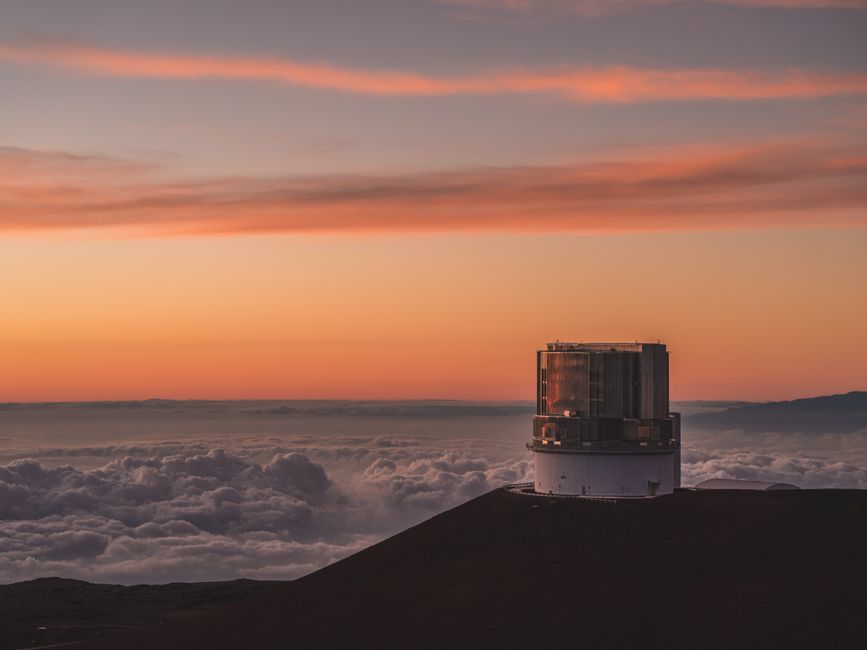
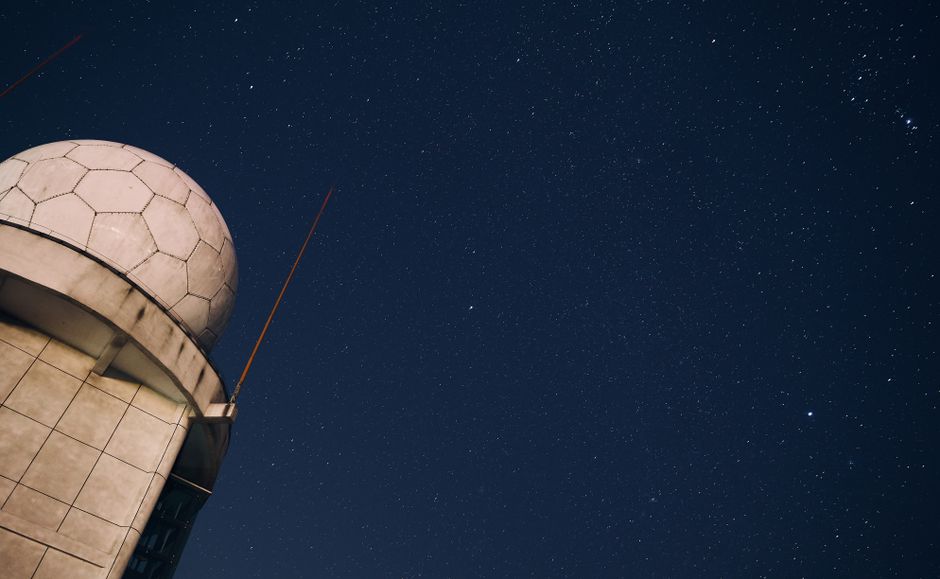
Observatory domes are specialised structures designed to house and protect astronomical instruments while allowing unobstructed views of the sky. Their design involves a complex interplay of structural engineering, environmental control, and mechanical systems. The primary function is to provide a stable and protective environment for sensitive equipment such as telescopes and cameras, which are vulnerable to temperature fluctuations, humidity, dust, and wind. Achieving this requires careful consideration of materials, geometry, and operational mechanisms.
In the United Kingdom, where weather conditions can be highly variable, the challenges are particularly pronounced. Domes must withstand wind, rain, and temperature variations while maintaining precise pointing accuracy for observations. This article examines the key engineering challenges in designing observatory domes, focusing on structural integrity, environmental management, and operational reliability. It outlines the considerations that engineers and architects must address to create effective and durable enclosures.
The discussion is intended for a general audience interested in the technical aspects of observatory construction. It does not provide specific recommendations but rather explores the principles and trade-offs involved in dome design.
Structural Design and Wind Loading
The structural design of an observatory dome must ensure stability under various loads, particularly wind. Domes are typically hemispherical or cylindrical with a rotating upper section, which presents unique aerodynamic challenges. Wind can create lift and drag forces that affect the dome’s integrity and the telescope’s performance. Engineers must calculate wind loads based on local wind speeds, terrain, and exposure. In the UK, wind speeds can reach significant levels, especially in coastal or elevated locations, necessitating robust structural analysis.
Materials selection plays a critical role in withstanding wind and weather. Common materials include steel, aluminium, and fibreglass, each offering different strength-to-weight ratios and corrosion resistance. Steel provides high strength but requires regular maintenance against rust, while aluminium is lighter and resistant to corrosion but may need additional reinforcement. Fibreglass composites offer excellent corrosion resistance and can be moulded into complex shapes, but their structural properties must be carefully evaluated. The choice depends on factors such as budget, location, and expected lifespan.
The dome’s shape and slit design also influence wind loading. A hemispherical dome with a relatively small slit can reduce wind-induced forces, but the slit must be large enough to allow the telescope a wide field of view. Some designs incorporate wind screens or deflectors to minimise turbulence near the slit. Additionally, the rotating mechanism must be capable of withstanding wind torque without excessive vibration. Bearings and drives are selected to ensure smooth rotation under varying wind conditions.
Environmental Control and Thermal Management
Maintaining a stable internal environment is crucial for the performance of sensitive astronomical instruments. Temperature fluctuations can cause thermal expansion or contraction of telescope components, leading to misalignment and degraded image quality. Humidity can promote condensation on optics and electronics, while dust can damage delicate surfaces. Therefore, domes incorporate systems to regulate temperature, humidity, and air quality. In the UK, where humidity is often high, dehumidification is particularly important.
Thermal management strategies include insulation, ventilation, and active cooling or heating. Insulation helps to reduce heat transfer between the interior and exterior, but it must be balanced with the need to dissipate heat generated by equipment. Ventilation can be passive, using louvres or vents, or active, with fans and ducts. However, ventilation must not introduce dust or moisture. Some domes use air conditioning to maintain a set temperature, but this can be energy-intensive. Alternatively, thermal mass can be used to buffer temperature changes, though this requires careful design.
Another consideration is the dome’s ability to reach thermal equilibrium with the outside air. If the dome is warmer than the surrounding air, it can create turbulent air currents that degrade seeing conditions. This is particularly critical for high-resolution imaging. Therefore, designers often aim to keep the interior temperature close to the exterior, using materials with low thermal inertia and ensuring adequate ventilation. In some cases, the dome may be actively cooled during the day to prepare for nighttime observations.
Mechanical Systems and Operation
The mechanical systems of an observatory dome include the rotation mechanism, the slit opening and closing mechanism, and sometimes a crane or lift for maintenance. These systems must be reliable and precise to support astronomical observations. The rotation mechanism typically consists of a motorised drive with a gear or chain system, allowing the dome to follow the telescope as it tracks celestial objects. The drive must be capable of fine adjustments and must operate smoothly without introducing vibrations that could affect the telescope.
The slit mechanism is equally important. It must open wide enough to provide an unobstructed view and close securely to protect the interior when not in use. The slit can be designed as a single opening or as multiple segments that retract. Sealing is critical to prevent water and dust ingress. In the UK, where rain is frequent, the sealing system must be robust and regularly maintained. Some domes use inflatable seals or overlapping panels to achieve a weathertight closure.
Automation and remote operation are increasingly common, allowing observers to control the dome from a distance. This requires sensors, actuators, and control software that can coordinate the dome’s movements with the telescope. Safety features such as limit switches and emergency stops are essential to prevent damage. Power backup systems may also be included to ensure operation during outages. The integration of these systems adds complexity but enhances usability and reliability.
Materials and Construction Considerations
The materials used in dome construction must withstand environmental exposure while minimising maintenance. In the UK, where weather can be harsh, materials must resist corrosion, UV degradation, and temperature extremes. Steel is often used for the structural framework due to its strength and cost-effectiveness, but it requires protective coatings such as galvanising or painting. Aluminium is lighter and naturally corrosion-resistant, making it suitable for coastal areas, but it is more expensive and may require alloying for strength.
Fibreglass reinforced plastic (FRP) is popular for dome shells because it is lightweight, corrosion-resistant, and can be moulded into precise shapes. However, FRP can degrade under UV light and may become brittle over time. Coatings and gelcoats can mitigate these effects. Other materials include timber, which offers good insulation but requires treatment against rot and insects, and concrete, which is durable but heavy and requires a strong foundation.
Construction methods vary from prefabricated kits to custom-built structures. Prefabricated domes are assembled on-site, reducing construction time and cost, but may have limitations in size and customisation. Custom domes allow for specific design requirements but require more engineering and labour. The foundation must support the dome’s weight and wind loads, often consisting of a concrete ring beam or pile foundation. The interface between the dome and the building below must be sealed to prevent water ingress and allow for rotation.
“The design of an observatory dome is a balance between protecting the instruments and allowing them to function optimally. Every decision, from the shape of the slit to the type of seal, has implications for performance.”
Conclusion
Designing an observatory dome involves addressing a multitude of engineering challenges. Structural integrity, environmental control, mechanical reliability, and material selection are all critical aspects that must be carefully considered. The specific requirements depend on the location, the instruments housed, and the intended use. In the UK, the variable climate adds additional demands, particularly regarding wind and moisture management. By understanding these challenges, engineers can create domes that provide stable and protective environments for astronomical research.
Greenwich Observatories, with its long history of astronomical instrumentation, exemplifies the importance of thoughtful dome design. While this article has outlined general principles, each project requires a tailored approach. Ongoing advancements in materials, control systems, and environmental technologies continue to shape the field, offering new possibilities for future observatories.