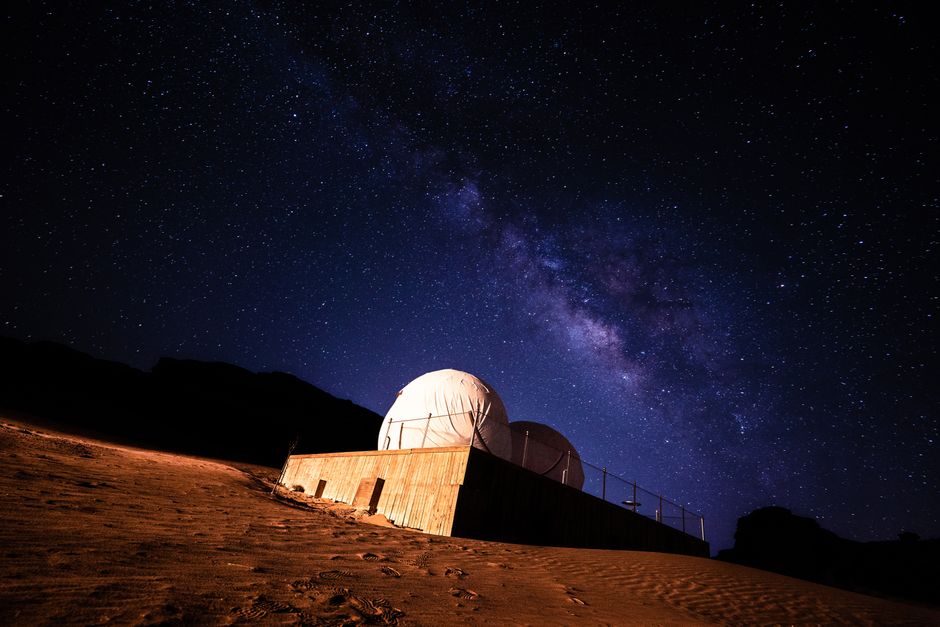
Observatories have long served as our windows to the cosmos, blending architectural grandeur with scientific precision. From the iconic domes of the Royal Observatory in Greenwich to the remote mountain-top telescopes of today, these facilities have enabled humanity to chart the stars and unlock the mysteries of the universe.
The Evolution of Astronomical Architecture
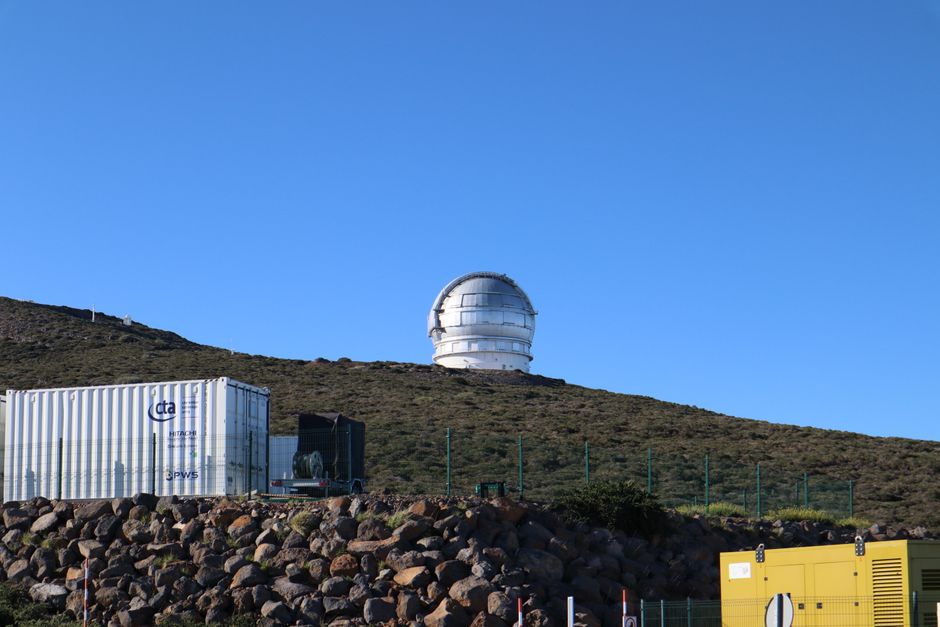
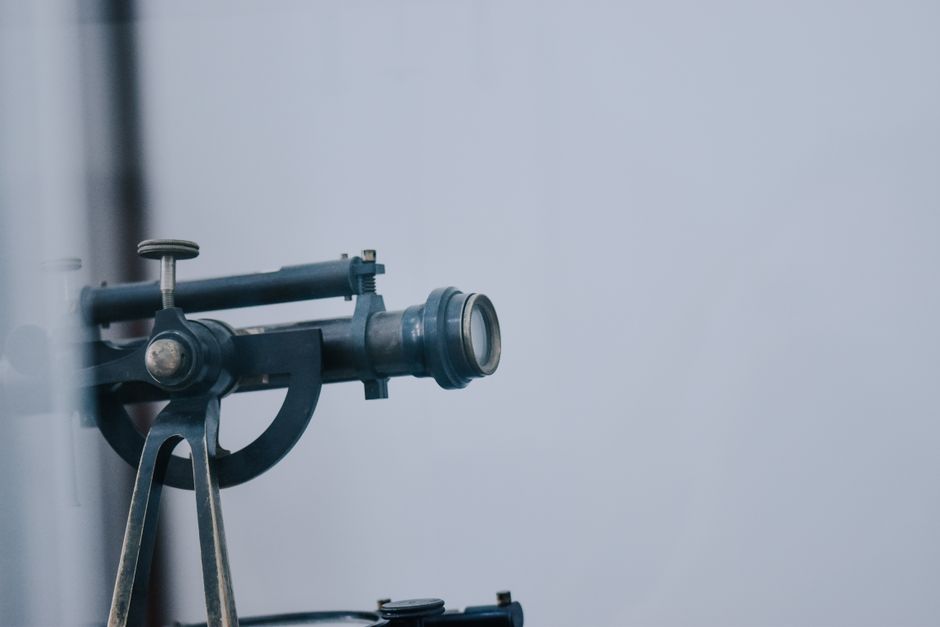
The design of observatories has evolved dramatically over centuries. Historic sites like Greenwich feature classical domes that once housed refracting telescopes, while contemporary research centres employ massive mirrors and adaptive optics to peer deeper into space. Each structure reflects the technological ambitions of its era, from the earliest meridian instruments to the gigantic segmented mirrors of modern observatories.
- Historic observatories: Greenwich, Paris, and Pulkovo, with their distinctive domes and meridian lines.
- Modern research telescopes: Keck, Hubble, and James Webb, operating from high altitudes or space.
- Public engagement: Many observatories, including Greenwich, offer educational programs and stargazing events.
Today, observatories continue to push the boundaries of discovery, studying everything from exoplanets to dark energy. Whether nestled in urban settings or perched atop remote peaks, they remain vital hubs for astronomical research and inspire wonder in all who look up at the night sky.