The Role of Observatories in Modern Space Exploration
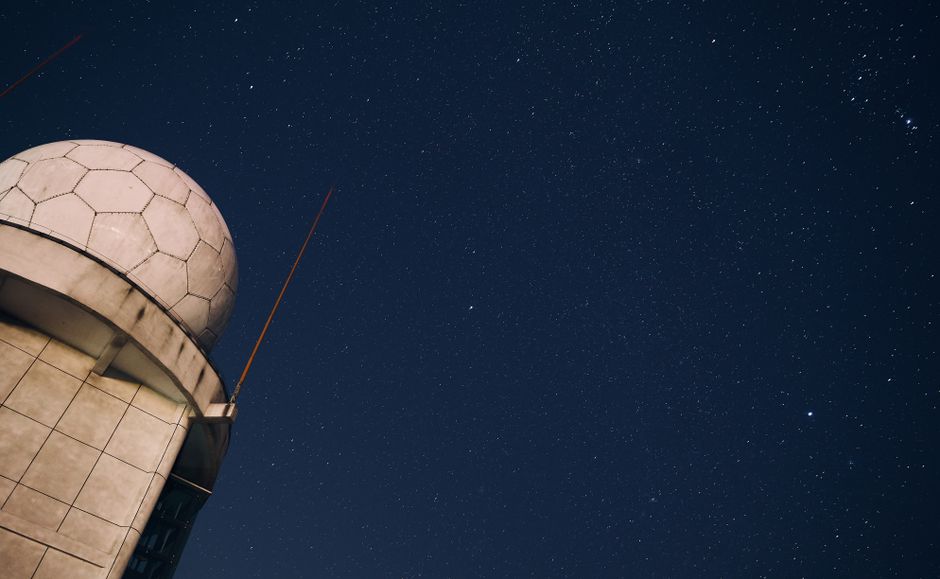
Ground-based observatories have long been central to astronomical research, and their importance in modern space exploration continues to evolve. While space-based telescopes capture headlines, facilities on Earth provide essential support for missions, track satellites, and study distant planets. Observatories such as Greenwich Observatories illustrate how historical sites adapt to contemporary needs, blending heritage with cutting-edge technology.
This article explores the various ways ground-based observatories contribute to space exploration. It examines their role in supporting space missions, tracking artificial satellites, and analysing exoplanets. The discussion focuses on methods, technologies, and collaborative frameworks rather than specific outcomes, reflecting the complex and multifaceted nature of modern astronomy.
By understanding these contributions, we gain insight into the infrastructure that underpins space science. The following sections outline key areas where observatories make a difference, highlighting the processes and considerations involved.
Supporting Space Missions from the Ground
Ground-based observatories provide critical support for space missions through activities such as tracking, telemetry, and data relay. When a spacecraft is launched, observatories may assist in monitoring its trajectory, ensuring that it follows the intended path. This involves using optical and radio telescopes to detect signals and pinpoint the spacecraft’s position. Such tracking is often coordinated with space agencies and mission control centres, forming a network of ground stations that maintain contact with the spacecraft.
In addition to tracking, observatories contribute to mission planning by characterising target objects. For example, before a mission to a distant planet or asteroid, ground-based observations can provide data on its orbit, rotation, and surface properties. This information helps mission planners design trajectories and select landing sites. Observatories also support ongoing missions by monitoring changes in target environments, such as volcanic activity on Io or dust storms on Mars.
Furthermore, ground-based facilities play a role in validating data collected by space-based instruments. By comparing observations from space and Earth, scientists can cross-check findings and improve the accuracy of both sets of data. This collaborative approach enhances the overall reliability of space mission results.
Observatories like Greenwich Observatories have historically contributed to such efforts, and their modern counterparts continue to engage in mission support through advanced instrumentation and international partnerships.
Tracking Satellites and Space Debris
The tracking of artificial satellites is a fundamental task for many ground-based observatories. Satellites serve various purposes, including communication, navigation, Earth observation, and scientific research. Observatories use optical telescopes, radar, and laser ranging to determine satellite positions and orbits. This information is essential for collision avoidance, ensuring that satellites do not interfere with each other or with crewed spacecraft.
Space debris poses a significant challenge to space operations. Thousands of defunct satellites, spent rocket stages, and fragments from collisions orbit Earth. Observatories contribute to the surveillance of this debris, helping to catalogue objects and predict their trajectories. This work supports efforts to mitigate the risks associated with debris, such as potential collisions with active satellites or the International Space Station.
The methods employed for satellite tracking vary. Optical telescopes can detect sunlight reflected from satellites, while radar can track objects regardless of lighting conditions. Laser ranging provides highly precise distance measurements, which are used to refine orbital models. These techniques are often combined to achieve comprehensive coverage.
International collaborations, such as those coordinated by the United Nations Office for Outer Space Affairs, rely on data from observatories worldwide. This shared information helps maintain a common picture of the space environment, which is vital for the sustainable use of outer space.
Studying Distant Planets and Exoplanets
Ground-based observatories have become increasingly important in the study of exoplanets—planets orbiting stars beyond our solar system. While space telescopes like Kepler and TESS have discovered thousands of exoplanets, ground-based facilities are essential for follow-up observations. These observatories use techniques such as transit photometry and radial velocity measurements to confirm and characterise exoplanets.
Transit photometry involves monitoring the brightness of a star for periodic dips caused by a planet passing in front of it. Ground-based telescopes can perform these observations, often as part of networks that pool resources to achieve continuous coverage. Radial velocity measurements, on the other hand, detect the slight wobble of a star caused by the gravitational pull of an orbiting planet. This method provides information about the planet’s mass.
In addition to detection and confirmation, ground-based observatories study exoplanet atmospheres through transmission spectroscopy. When a planet transits its star, some starlight passes through the planet’s atmosphere. By analysing the spectrum of this light, scientists can identify molecules such as water vapour, methane, and carbon dioxide. This work is challenging and requires precise instruments and careful data analysis.
Observatories also contribute to the study of planets within our solar system. For instance, they monitor the atmospheres of gas giants and the surfaces of rocky planets, providing context for space mission data. The study of distant planets, both within and beyond our solar system, benefits from the complementary capabilities of ground- and space-based assets.
Technological Advancements and Collaborative Networks
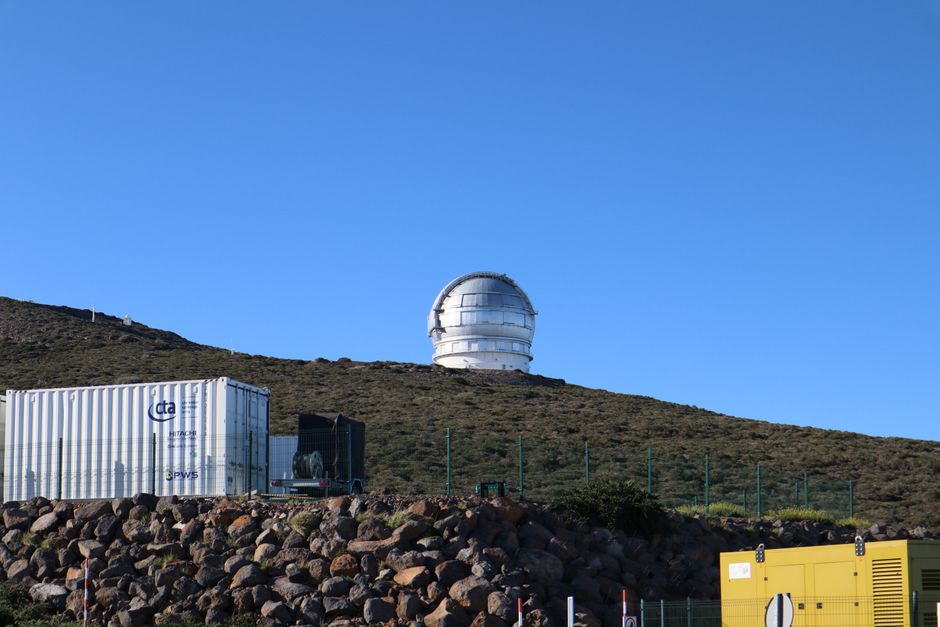
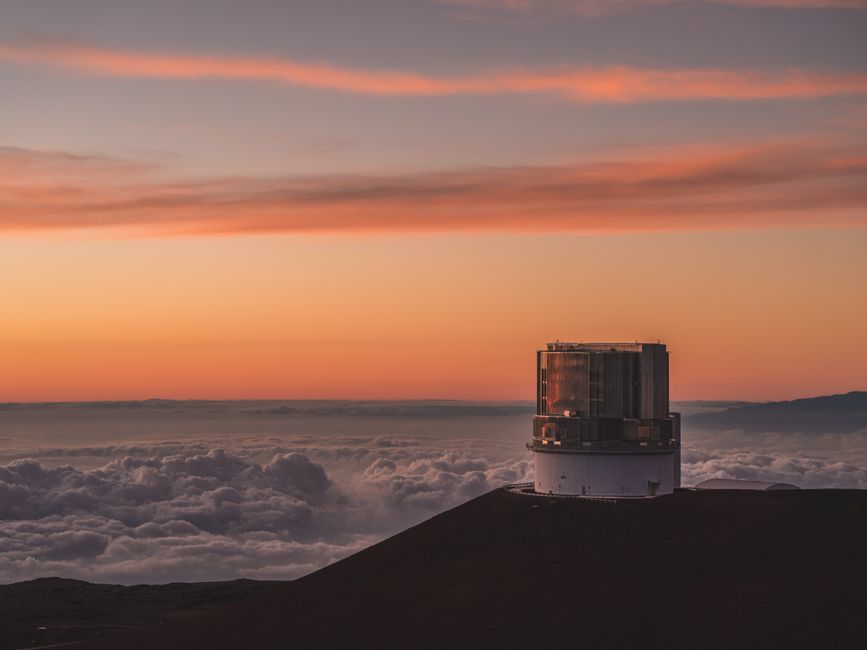
Modern observatories employ a range of advanced technologies to enhance their capabilities. Adaptive optics systems correct for the blurring effects of Earth’s atmosphere, allowing ground-based telescopes to achieve resolution approaching that of space telescopes. Large segmented mirrors, such as those used in the Keck Observatory and the Gran Telescopio Canarias, enable the collection of more light and the observation of fainter objects.
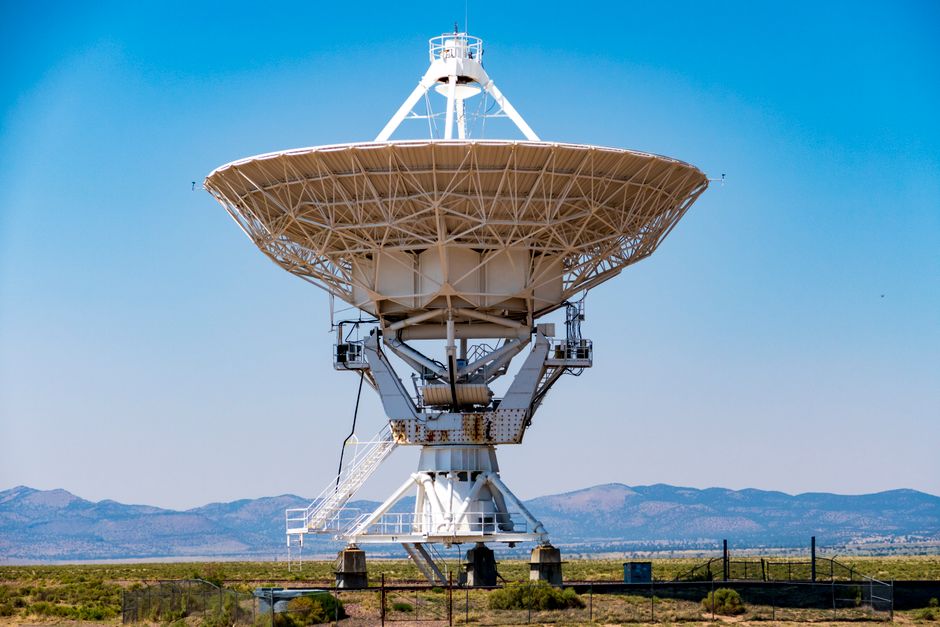
Interferometry combines signals from multiple telescopes to achieve higher resolution, effectively creating a virtual telescope with a larger aperture. This technique is used in facilities like the Very Large Telescope Interferometer and the CHARA Array. Radio observatories, such as the Atacama Large Millimeter/submillimeter Array (ALMA), operate in different wavelength regimes and provide unique insights into cold gas and dust in the universe.
Collaborative networks are essential for maximising the scientific return from observatories. Consortia of institutions share telescope time, data, and expertise. For example, the European Southern Observatory (ESO) operates several facilities in Chile on behalf of its member states. Similarly, the International Astronomical Union fosters cooperation and standardisation across the global astronomical community.
Greenwich Observatories, while no longer a major research facility, remains a symbol of the UK’s astronomical heritage and contributes to public engagement and education. Its historical instruments and archives offer insights into the evolution of observational techniques.
Challenges and Future Directions
Ground-based observatories face several challenges. Light pollution from urban areas reduces the quality of observations, prompting efforts to establish dark sky reserves and implement lighting ordinances. Atmospheric turbulence limits resolution, although adaptive optics mitigates this to some extent. Weather conditions can interrupt observing runs, requiring flexible scheduling and backup instruments.
Funding and resource allocation are ongoing concerns. Large-scale projects require significant investment and international collaboration. Balancing the needs of different scientific communities and maintaining a diverse portfolio of facilities are complex tasks. Additionally, the growing number of satellites in low Earth orbit poses a threat to astronomical observations, as their trails can contaminate images.
Looking ahead, ground-based observatories will continue to evolve. The next generation of extremely large telescopes, such as the Extremely Large Telescope (ELT) and the Giant Magellan Telescope (GMT), promises unprecedented sensitivity and resolution. These facilities will address a wide range of scientific questions, from the nature of dark matter to the search for biosignatures on exoplanets.
Observatories will also play a role in planetary defence, tracking near-Earth objects and contributing to international efforts to mitigate potential impacts. As space exploration expands, the synergy between ground- and space-based assets will remain vital.
Observatories are not merely windows to the universe; they are integral components of the infrastructure that enables humanity to explore and understand space.
In summary, ground-based observatories support space exploration in multifaceted ways. They assist in mission tracking, satellite surveillance, and the study of distant planets. Through technological innovation and collaborative networks, they continue to advance our knowledge of the cosmos. While challenges persist, the future of observatories appears promising, with new facilities and methods on the horizon.