During my visit, I observed the integration of telescope engineering and architectural design. The explanations of research methods were clear and methodical, reflecting a serious educational focus.
Expertise
Discover our deep knowledge of observatory architecture, telescope engineering, and astronomical research methods.
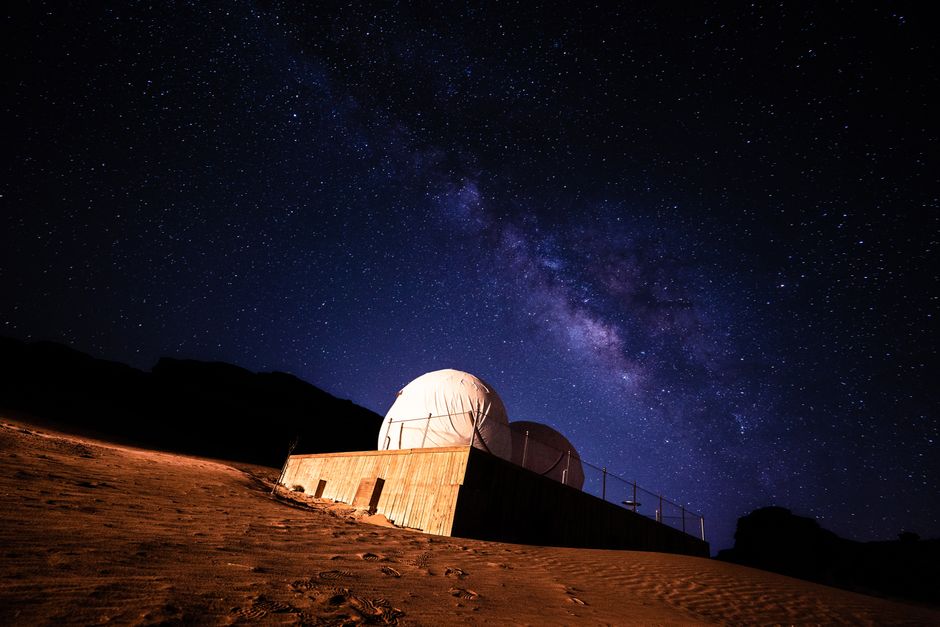
Observatory Architecture: Design Principles and Structural Considerations
Observatory architecture forms a specialised field focused on creating structures that support astronomical observation. Its primary function is to house telescopes and related instruments while minimising environmental interference. Design principles emphasise stability, precise alignment, and protection from weather and temperature fluctuations. Structural considerations include foundations that reduce vibration, domes or retractable roofs that allow unobstructed sky access, and materials that manage thermal effects. These elements are integrated to accommodate the specific requirements of observational equipment and the local climate, reflecting a technical approach that prioritises the functional needs of astronomical research over aesthetic expression.
Visitor and Professional Feedback
As an amateur astronomer, I appreciated the detailed insight into observatory architecture and instrumentation. The staff discussed astronomical research methods without making exaggerated claims.
James T. Holloway
The presentations on telescope engineering and research approaches were informative. I found the factual, process-oriented style helpful for understanding how such facilities operate.
Sophie Bennett
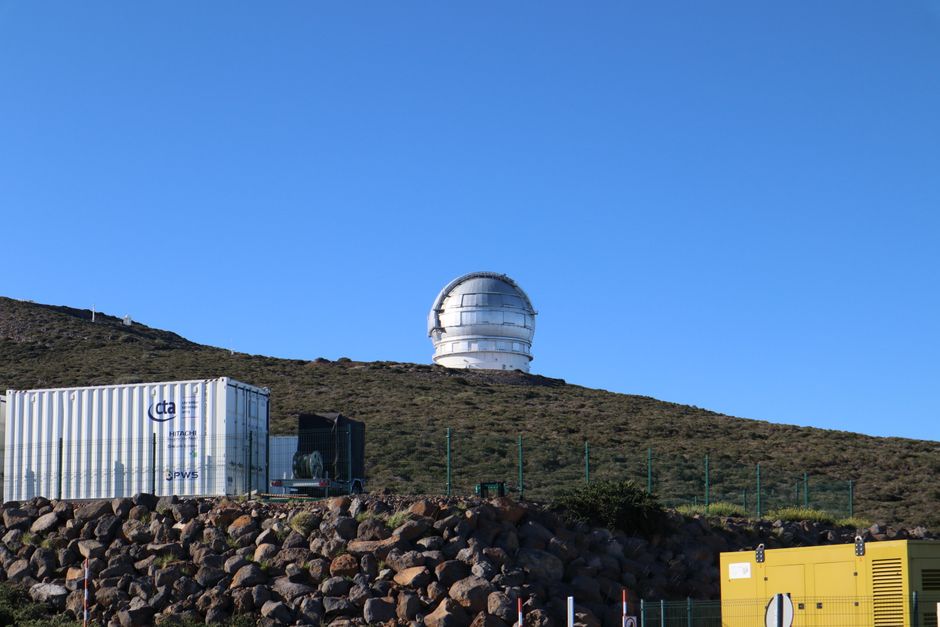
Understanding Telescope Engineering
Telescope engineering is a technical discipline focused on the design and assembly of astronomical instruments. Key components include optical systems, structural mounts, and control mechanisms, each shaped by specific observational requirements. Design approaches vary from segmented mirrors to active optics and adaptive systems, selected to address particular research contexts rather than guarantee uniform performance. Engineering choices are typically informed by factors such as desired resolution, target wavelengths, and environmental conditions. This process-oriented field emphasizes precision and contextual trade-offs, where outcomes depend on multiple interdependent variables and rigorous testing.

How Astronomical Research Methods Unfold
-
01 Observation Planning
This stage defines the research objectives, target selection, and resource allocations.
-
02 Data Collection
Instruments gather observational data, based on the parameters and methodologies established during planning.
-
03 Data Analysis
Collected data undergoes processing, reduction, and statistical examination to reveal patterns or anomalies.
-
04 Iteration and Refinement
Findings inform subsequent planning cycles, highlighting the iterative nature of astronomical research.